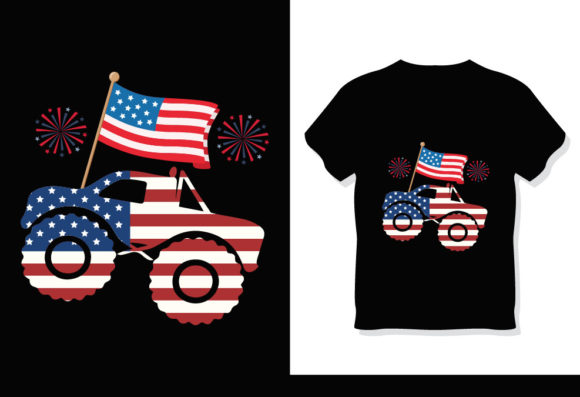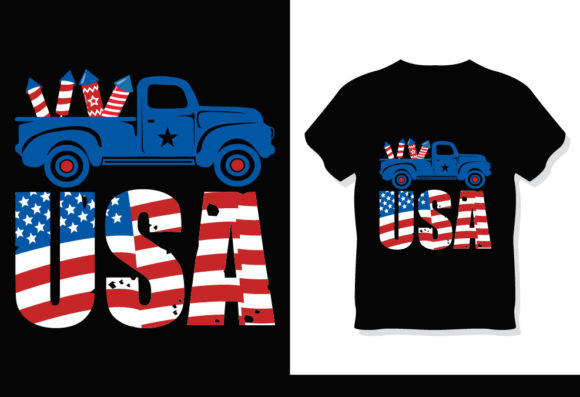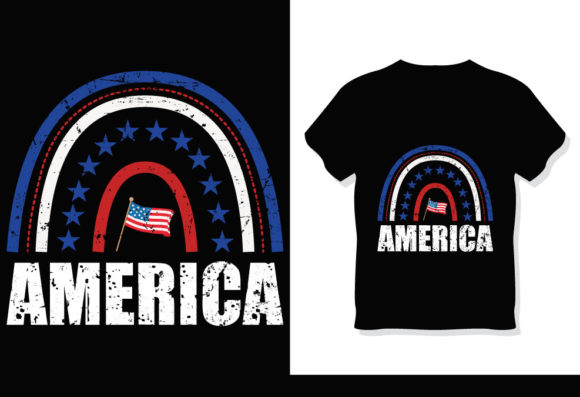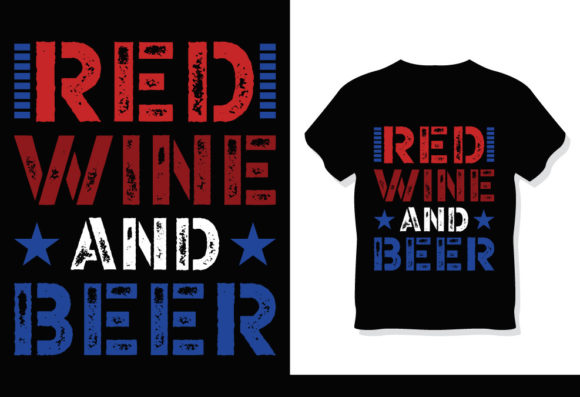
Red Wine 4th July Tshirt Design Review
As a designer who spends more time than I care to admit staring at stitch density charts and fabric swatches, I approach every new machine embroidery design with a healthy dose of skepticism. The market is flooded with generic holiday graphics, but few manage to balance aesthetic appeal with technical viability. When I first laid eyes on the Red Wine 4th July Tshirt Design, my initial reaction was one of cautious optimism. It promises a specific mood—relaxed, festive, and slightly sophisticated—and as someone who creates custom apparel for boutique clients, I needed to know if this embroidery file could actually deliver that vibe without looking cluttered or cheap after it hits the hoop.
First Impressions: Mood and Visual Personality
The title alone sets a distinct expectation. This isn’t your standard red, white, and blue patriotic screaming for attention; it’s a Red Wine theme, which suggests a warmer, richer palette. In the world of graphics and digital assets, color translation is often where designs fail, especially when moving from a screen to thread. The visual personality here feels grounded. It leans into the "wine" aspect, implying deep burgundies, soft creams, and perhaps muted reds rather than neon primaries. This creates an immediate sense of class that appeals to the modern crafter who wants their handmade product to look curated rather than mass-produced.
For the Etsy seller or small shop product owner, this distinction is crucial. Customers are tired of seeing the same clip-art style flags on every t-shirt. A design that incorporates the concept of wine culture alongside American independence day offers a narrative. It tells a story about summer evenings, backyard gatherings, and relaxed celebrations. From a design asset perspective, this emotional connection is what drives sales. It transforms a simple piece of clothing into a lifestyle statement.
Real-World Application: Where Does It Shine?
I decided to test the practicality of this embroidery project by imagining it on various substrates. The most obvious application is, of course, the classic t-shirt, but let’s look deeper. This design would perform exceptionally well on heavier cotton blends used for sweatshirts, particularly during the late summer transition into early fall. The rich tones of the design complement the texture of fleece or heavy jersey, creating a tactile contrast that elevates the finished product.
Beyond apparel, I see strong potential in home decor and gifts. Imagine this stitched onto a high-quality canvas tote bag. The durability of the canvas supports the likely stitch density of the design, ensuring the threads don’t pucker the fabric. Alternatively, consider a kitchen towel or tea towel made of linen or flax. The fabric texture of these items adds character to the embroidery, making each personalized gift unique. For the craft business owner, this versatility is gold. One digital embroidery file can populate multiple product lines, from custom apparel to household linens, maximizing ROI on your design purchases.
I also envision this working beautifully as an embroidered patch intended for denim jackets or caps. However, this leads us to the next critical point: limitations. Not every surface is created equal.
Technical Considerations and Potential Pitfalls
While the artistic vision is sound, we must talk about execution. If you plan to use this for holiday embroidery on delicate items, you need to be careful. Small hoop sizes can sometimes distort the proportions of complex lettering or intricate shapes. If the design includes fine details or tiny lettering, testing on scrap fabric is non-negotiable. Thin fabrics like silk or lightweight rayon may not support the stabilizer requirements well, leading to puckering or thread breaks.
Furthermore, consider the background fabric. On dark fabrics, the lighter elements of the design (if any) will pop, but you must ensure there is sufficient contrast between the thread colors. If the design relies heavily on subtle shading, it might get lost on a black shirt. Conversely, on light fabrics, the deep red wine tones will stand out sharply. I always recommend creating a black-and-white mockup before stitching to check the value distribution. This helps identify if the design has enough visual weight or if it looks too sparse in certain areas.
Another area requiring caution is curved surfaces like baseball caps. While possible, maintaining tension on a curve while embroidering a potentially wide or detailed layout can be tricky. You might need to use a specialized cap frame and adjust your hooping technique. For beginners, flat surfaces like aprons, pillow covers, or baby clothes offer a safer learning curve and a higher success rate for a pristine finish.
Impact on Brand and Customer Trust
In the handmade product market, presentation is everything. A poorly executed stitch job screams amateur hour, no matter how good the original graphic was. However, a well-stitched version of the Red Wine 4th July Tshirt Design signals professionalism. It shows the buyer that you care about quality. When customers receive a printable mockup that accurately reflects the final item, trust increases. They know exactly what they are buying.
This design also aids in brand consistency. If your shop focuses on rustic, warm, and celebratory themes, this file fits right in. It doesn’t feel out of place next to other seasonal items. For the commercial embroidery client, this means you can offer a cohesive collection. Whether it’s a wedding gift set or a corporate party favor, the design’s adaptable nature allows it to fit various branding guidelines without feeling forced.
Practical Designer Notes for Success
- Test First: Always run a test stitch on the actual fabric type you intend to sell. Fabrics behave differently based on weave and stretch.
- Check Density: Review the stitch density of the file. If it is too dense for the fabric weight, it will become stiff and uncomfortable. Adjust settings if necessary.
- Thread Selection: Choose high-quality polyester or rayon threads. Cheap threads can break or fade, ruining the visual appeal of the final piece.
- Licensing: Before listing this on Etsy or selling finished goods, confirm the license terms. Ensure you have commercial rights for the volume of products you plan to produce.
- Stabilizer Choice: Use the appropriate stabilizer for your fabric. Cut-away for knits, tear-away for wovens. Proper support prevents shifting and misalignment.
Final Verdict
The Red Wine 4th July Tshirt Design is a strong contender for any craft business looking to expand its holiday offerings. It moves beyond the cliché of traditional patriotism into a more nuanced, stylish territory that resonates with today’s consumer. Its versatility across tote bag design, sweatshirt embroidery, and home decor makes it a valuable addition to your library. Just remember that great results come from preparation. Test your stitches, respect your materials, and let the quality of your work speak for itself. If you execute it well, this design won’t just be another item on your shelf; it will be a standout bestseller.