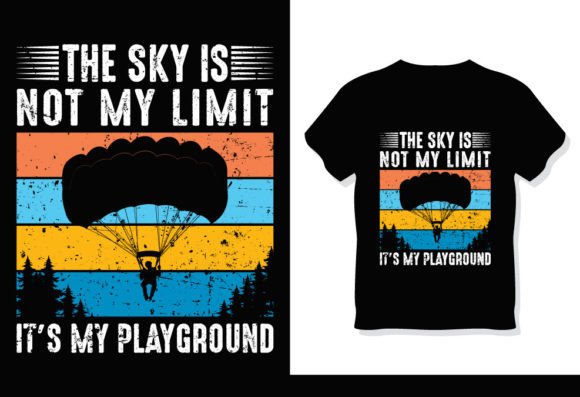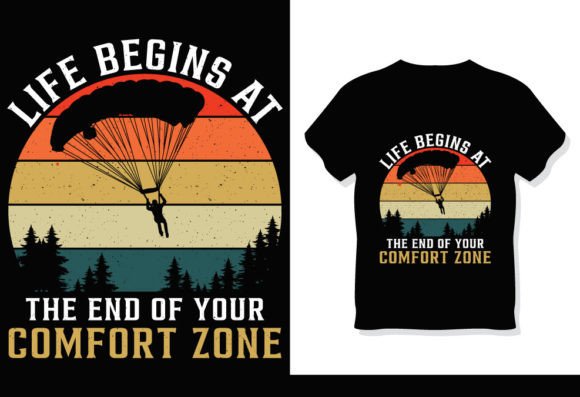
Mountain T-Shirt Design: A Review for Graphics and Print Templates
As a digital product creator who has spent years navigating the saturated landscapes of Etsy, Creative Fabrica, and Shopify, I approach every new asset with a mix of curiosity and skepticism. We are not just buying files; we are investing in potential inventory. Today, I am breaking down Mountain T-Shirt Design, a graphic design asset that promises versatility across multiple formats. For those of us looking to expand our print-on-demand catalogs or create high-value digital downloads, understanding the true utility of an asset like this is crucial before it ever hits your storefront.
First Impressions and Niche Appeal
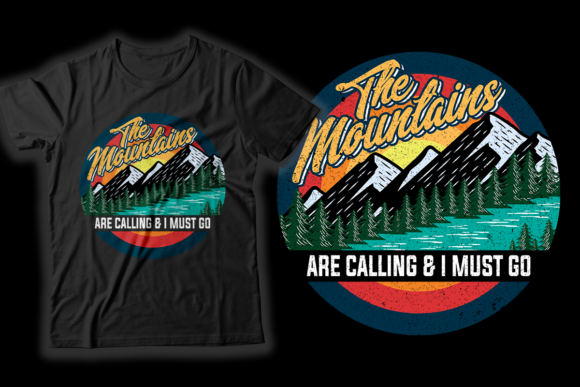
The moment you unpack the files for Mountain T-Shirt Design, the visual personality jumps out. This is not merely a generic clipart element; it carries a distinct mood that resonates strongly with the outdoor enthusiast, the modern minimalist, and the rustic-chic aesthetic crowd. The illustration style feels balanced—bold enough to stand out on a crowded marketplace thumbnail, yet clean enough to maintain elegance when scaled down for smaller applications.
From a business perspective, the niche appeal is clear. It targets buyers who value nature, adventure, and simplicity. Whether you are catering to hikers, campers, or homeowners who love cabin-core decor, this design bridges the gap between playful and premium. It avoids being overly cute or childish, which makes it highly suitable for adult-focused merchandise such as t-shirts, mugs, and framed wall art. The visual hierarchy is strong, meaning the primary subject is immediately recognizable, a key factor in reducing bounce rates on product listings.
Real-World Application in Your Shop
Let’s imagine a real scenario. You are preparing a seasonal collection for late summer and early fall. You need assets that can transition seamlessly from physical merchandise to digital downloads. Here is how Mountain T-Shirt Design fits into a comprehensive product strategy:
- Apparel and Sublimation: As a t-shirt design, this asset shines. The vector-based components allow for crisp scaling, ensuring that whether you are printing on a toddler’s onesie or an adult’s hoodie, the lines remain sharp. It serves as an excellent base for sublimation designs on tumblers and tote bags, where the mountain motif wraps beautifully around curves.
- Digital Downloads and Planners: If you sell digital planners, this illustration works perfectly as a decorative element for cover pages or monthly dividers. Its clean lines ensure it does not clutter the page, maintaining a professional look for your printable design offerings.
- Home Decor and Wall Art: The asset translates exceptionally well into frame artwork and poster prints. When paired with ample negative space, it creates a sophisticated gallery-wall piece. You can offer this as a digital download for customers who wish to print at home, adding a low-cost item to your digital download catalog.
- Crafting and Cricut Projects: For the crafter community, the inclusion of SVG files is vital. This allows users to cut vinyl for decals on water bottles, laptops, or car windows. It is also ideal for scrapbooking kits and card making, where precision cutting is required.
- Stationery and Greetings: Use this asset to create themed cards and postcard sets. Think "Happy Trails" get-well-soon cards or adventure-themed birthday invitations. The versatility here expands your reach into the stationery market without requiring additional design work.
File Analysis and Technical Readiness
One of the most common pitfalls for sellers is receiving assets with poor file structures. In this case, the package provides a robust set of formats: 2 PNG files, 1 AI file, 1 EPS file, and 1 SVG file. This variety is a significant advantage for a design bundle.
The PNG files likely offer immediate usability for platforms like Canva or direct upload to print-on-demand services. However, the true value lies in the vector files (AI, EPS, SVG). These allow you to edit colors, resize without quality loss, and adapt the graphic design asset to fit different brand identities. For instance, you might change the color palette to match a specific seasonal theme, such as autumn oranges or winter blues, effectively creating multiple products from one source file.
When evaluating the SVG, check the layer organization. Well-structured layers make it easier for your customers to customize the design, which increases the perceived value of your commercial license offering. Ensure the paths are closed and optimized to prevent cutting errors for users of Silhouette or Cricut machines.
Product Presentation and Mockups
A great asset is only as good as its presentation. To maximize click-through potential, you must test Mountain T-Shirt Design on various mockups. Do not rely solely on flat images. Show the design on a textured fabric t-shirt to convey warmth and authenticity. Display it on a ceramic mug to highlight its suitability for kitchenware.
Consider creating a lifestyle mockup series. Place the design on a pillow in a cozy living room setting, or frame it on a wooden easel in a rustic cabin environment. These visuals tell a story and help the buyer visualize ownership. For your listing thumbnails, ensure the design has strong contrast against the background. Avoid dark backgrounds unless the design includes white or light-colored elements that pop. Test the design at small sizes to ensure details are not lost, which is critical for mobile shoppers browsing Etsy or Amazon.
Risks and Areas for Caution
While this asset is versatile, there are limitations. Be cautious when using it for tiny sticker details. If the internal lines of the mountain illustration are too fine, they may become illegible when printed at a very small scale. Similarly, avoid placing the design on busy patterns or textures that compete with the main subject, as this disrupts the visual hierarchy.
If you plan to use this for sticker design projects, verify that the PNG has a clean, transparent background. Any halos or jagged edges will be magnified during the die-cutting process. Additionally, if you intend to use the design for text-heavy templates, remember that the mountain graphic should serve as a supporting element, not overpowering the typography. Balance is key to professional-looking brand identity materials.
Practical Seller Notes for Launch
Before publishing your first listing, follow these practical steps to ensure quality and compliance:
- Test on Real Mockups: Generate mockups for at least five different product types, including apparel, home decor, and stationery.
- Check File Resolution: Confirm that the PNG files are high-resolution (300 DPI) for print-ready products. Low-resolution files lead to refunds and bad reviews.
- Verify Commercial Licensing: Always read the terms of service. Ensure you have the right to sell finished physical goods and potentially digital derivatives, depending on your target platform.
- Organize Files for Customers: If you are reselling this as a digital template, organize the folder structure clearly. Label files by format (SVG, PNG, AI) and provide a simple README file with usage instructions.
- Pair with Typography: Experiment with font pairings. A rugged sans-serif font complements the outdoorsy vibe, while a script font adds a personal, handmade touch. Test combinations to see what enhances the small business branding feel.
- Social Media Promotion: Use the design to create social media graphics for Instagram and Pinterest. Create pin-worthy images that showcase the design in use, driving traffic back to your shop.
In conclusion, Mountain T-Shirt Design is a solid addition to any digital seller’s toolkit. Its multi-format support and broad aesthetic appeal make it suitable for a wide range of creative marketplace listings. By testing it thoroughly and presenting it professionally, you can turn this single asset into a profitable stream of revenue across both physical and digital product categories.