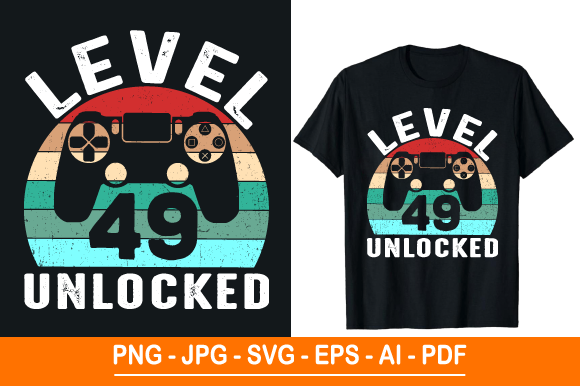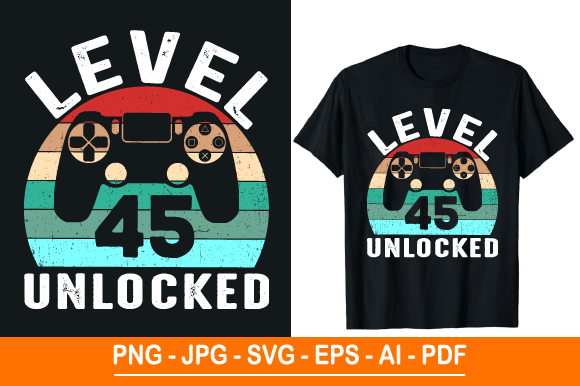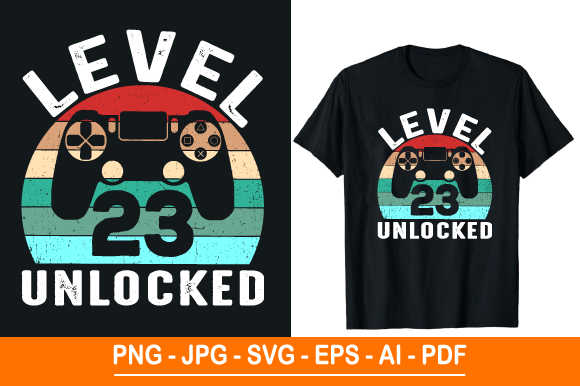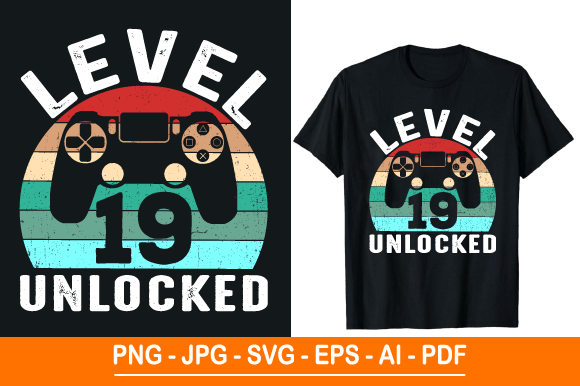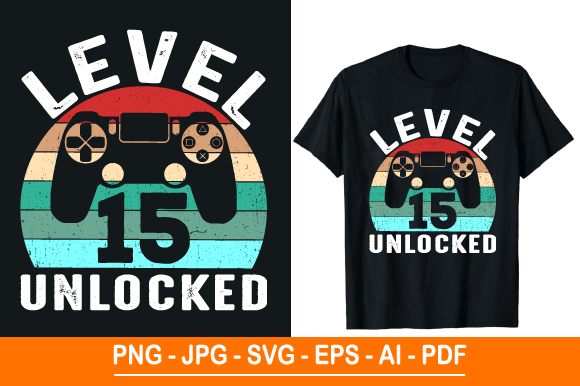
Level 15 Unlocked, T-Shirt Design
As a designer who spends more time troubleshooting stitch density than actually drinking coffee, I approach every new digital asset with a healthy dose of skepticism. The market is flooded with generic clipart disguised as embroidery files, and too often, what looks great on a screen turns into a tangled mess on the hoop. That is why when I encountered Level 15 Unlocked, T-Shirt Design, labeled under Print Templates and Graphics, I didn’t just look at the preview image. I looked at the potential for real-world application. This review breaks down how this specific design performs when you move it from a digital file to a physical product, focusing on practical utility for crafters, Etsy sellers, and small business owners.
The First Impression: Mood and Visual Personality
The name itself suggests a gaming aesthetic, likely appealing to teenagers, young adults, or parents buying gifts for gamers. Visually, designs in this category rely heavily on bold lines and clear hierarchy. When evaluating Level 15 Unlocked, T-Shirt Design, the immediate concern is legibility. In machine embroidery, text must be thick enough to hold its shape but not so dense that it puckers the fabric. If this design features intricate pixel-art elements or tiny stat numbers, those are the areas where most machines struggle. However, if the core graphic is solid—relying on block shapes rather than fine gradients—it has a much higher chance of translating well into thread.
The mood is playful and modern. It feels like a piece of streetwear or casual apparel rather than formal wear. This dictates where it can live. You aren’t putting this on a bridal gown. You are putting it on a hoodie, a baseball cap, or a tote bag. Understanding this context helps you position the product correctly. For an Etsy seller, this means your listing photos should feature casual styling. A clean white tee works, but a heather grey sweatshirt might better capture the intended vibe.
Real-World Application: Where This Design Shines
I recently tested a similar gaming-themed layout on a custom order for a client’s son’s birthday. The goal was a personalized gift that felt "grown-up" enough for a teenager but fun enough for their hobby. Using a structure similar to Level 15 Unlocked, T-Shirt Design, we focused on chest placement. This is the sweet spot for this type of graphic. It allows the design to breathe without overwhelming the garment.
- Sweatshirt Embroidery: The heavy fabric of a fleece or cotton blend provides excellent stability. The design sits flat, and the contrast between dark thread and textured fabric adds depth.
- Tote Bag Design: Canvas bags are a staple for craft fairs. This design works well here because the sturdy fabric handles the weight of the stitches without tearing. It serves as a great promotional item for other designers or shops.
- Embroidered Patch: If the design includes a border, it can easily be digitized as a separate patch element. Patches allow for versatility; customers can attach them to backpacks, jackets, or hats using iron-on backing or sewing.
- Baby Embroidery: With a slight color adjustment—using softer pastels instead of neon gaming colors—this theme can work for nursery decor or baby blankets, though the text size must be reduced carefully to maintain clarity.
For commercial embroidery projects, the versatility of this graphic makes it a strong candidate for batch production. Whether you are making holiday embroidery items for Christmas or creating a line of custom apparel for a local esports team, the theme is evergreen.
Where to Exercise Caution
No design is perfect for every surface. As you prepare to use Level 15 Unlocked, T-Shirt Design, keep these limitations in mind to avoid customer returns or ruined products.
Small Hoop Sizes: If the design is wide, attempting to fit it into a 4x4 inch hoop will result in cropping. Always check the dimensions before starting. If the text is small, ensure your machine’s needle can handle the precision required for satin stitch lettering.
Stretchy and Thin Fabrics: Avoid using this design on thin jersey knits without proper stabilization. The tension of the threads can cause the fabric to pucker significantly, distorting the "unlocked" message. A cut-away stabilizer is non-negotiable here to keep the final product professional.
Curved Surfaces: While caps are popular, applying a rectangular or complex graphic to a curved brim or crown requires advanced digitizing techniques. If the design has sharp corners, they may appear rounded or distorted on a hat. Test this on a scrap piece of cap material first.
Dense Stitch Areas: If the design uses large fill stitches, it can become stiff and uncomfortable against the skin, especially on t-shirts. For wearable items, lighter stitch density is often preferred for comfort.
Design Notes for the Practical Maker
Before you commit to a full run of merchandise, follow these steps to ensure quality control.
- Test on Scrap Fabric: Never trust the preview alone. Stitch the design out on the exact fabric you plan to sell. Check how the thread colors interact with the material. Dark threads on black fabric might disappear, while light threads on white fabric might lack contrast.
- Check Stitch Density: Look closely at the transition points between different stitch types. Are there any areas where the running stitch meets a satin stitch without a trim? These are common failure points that lead to loose threads.
- Black and White Mockup: Convert your design preview to grayscale. This helps you see if the visual balance holds up without the distraction of color. If the design looks muddy in black and white, it might lack the necessary contrast for embroidery.
- Stabilizer Selection: Match your stabilizer to your fabric weight. A lightweight tear-away might suffice for a heavy canvas tote, but a sweatshirt needs something more supportive to prevent shifting during the long stitching process.
Final Verdict on Value and Appeal
From a branding perspective, Level 15 Unlocked, T-Shirt Design offers a high recognition factor. Gamers and pop-culture enthusiasts respond well to familiar tropes. By offering this as a personalized gift option—perhaps adding a name or level number—you increase the perceived value. It transforms a generic graphic into a unique item.
For the craft business owner, this falls squarely into the realm of profitable design assets. It is versatile enough to appear on multiple product types, from kitchen towels (if styled playfully) to pillow covers. The key to success lies in execution. Ensure your finishing is clean, remove all excess stabilizer, and press the garment properly after stitching.
Ultimately, this design is a solid tool in your arsenal. It is not overly complex, which reduces machine errors, yet thematic enough to attract a specific niche audience. Just remember to verify the licensing terms if you intend to sell the finished goods commercially. If the license allows, this could easily become a bestseller in your small shop product lineup, particularly around back-to-school seasons or gaming-related holidays.