It’s Pizza O’clock: A Designer’s Review
As someone who spends more time than I care to admit staring at stitch density charts and arguing with embroidery machines over thread tension, I approach every new design file with a healthy dose of skepticism. We have all seen the endless streams of generic clip art disguised as "premium" digital assets. So, when I pulled It’s Pizza O’clock into my workspace to evaluate its potential for real-world application, I wasn't just looking for a cute pizza slice. I was looking for viability. Could this design hold up in a commercial setting? Would it translate well from a screen to fabric? And most importantly, would a customer actually want to wear or display it?
The verdict is that It’s Pizza O’clock is a surprisingly robust asset for craft business owners and hobbyists alike. While the source files are listed under Print Templates and Graphics (specifically SVG, EPS, JPG, and PNG), the true value here lies in how these vector shapes can be adapted for textile work. Let’s break down why this design works, where it shines, and where you need to exercise caution before hitting the start button on your machine.
First Impressions: Mood and Visual Personality
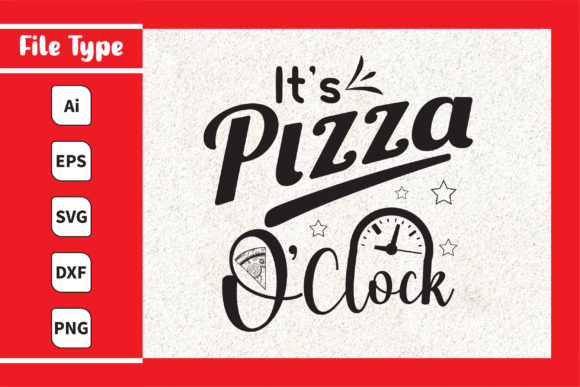
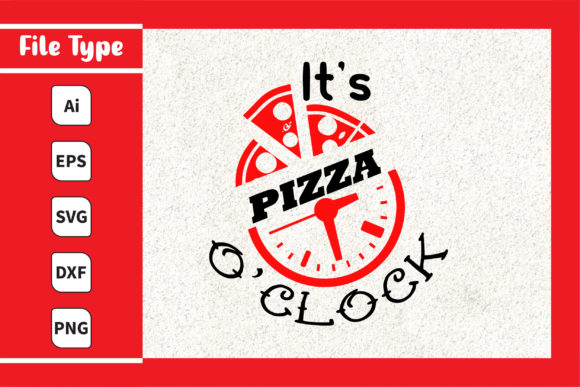
The immediate appeal of It’s Pizza O’clock is its playful, casual energy. In the world of handmade goods, mood is everything. This design doesn’t try to be high fashion or minimalist; it embraces the joy of comfort food. The typography suggests a retro diner vibe, while the central motif—a stylized slice of pizza—offers a clear focal point. For designers, this clarity is gold. It means the design reads instantly, even from a distance, which is crucial for items like tote bags or sweatshirts displayed at craft fairs.
From a layout perspective, the balance feels right. The text anchors the top or side, allowing the graphic element to breathe without feeling cramped. This is particularly important because it allows for flexibility in placement. Whether you are centering it on the chest of a hoodie or placing it off-center on a denim jacket, the composition holds together. The fact that it is made with 100 vector shapes means you aren't stuck with a rigid bitmap. You can resize, recolor, and manipulate the individual components to fit your specific brand palette, making it a versatile choice for custom apparel lines.
Real-World Application: Where It Fits Best
I tested the concept of It’s Pizza O’clock across several typical small business scenarios. Here is where I see the highest potential for success:
- Custom Apparel & Sweatshirt Embroidery: This design screams cozy night-in vibes. Imagine this stitched onto a heather grey crewneck or a soft fleece pullover. The bold colors of the pepperoni and cheese contrast beautifully against muted fabrics, creating a handmade product that feels personal and fun. It’s perfect for gift-giving seasons, acting as a humorous yet affectionate gesture between friends or partners.
- Tote Bag Design: Canvas totes are a staple for any Etsy seller. Because the design relies on strong outlines and distinct color blocks, it translates exceptionally well to larger surface areas. A large embroidered pizza slice on a natural canvas bag is eye-catching and durable. It serves as both a functional item and a conversation starter, boosting buyer engagement in physical retail spaces.
- Kitchen & Home Decor: Don’t overlook the utility aspect. This design fits naturally into kitchen-themed merchandise. Think tea towels, aprons, or even pillow covers. The theme aligns perfectly with cooking and hosting, making it an ideal personalized gift for housewarmings or weddings. When customers buy a finished product that matches their lifestyle interests, they feel a stronger connection to the brand.
- Baby Embroidery & Nursery Decor: With softer color adjustments, this could work for nursery wall art or baby blankets. However, this requires careful editing to ensure the imagery isn’t too chaotic for a sleeping environment. If toned down, it becomes a charming, unique alternative to standard animal motifs.
Technical Considerations for Embroidery Designers
While the vector files provide excellent scalability, converting graphics to an embroidery file requires thoughtful digitization. Here is what you need to watch out for to ensure professional results.
Stitch Density and Detail Level
Pizza slices have irregular edges—the crust, the melted cheese drips, the pepperoni circles. If you are using an automated conversion tool, you must inspect the output closely. High stitch density in the fill areas can make the fabric pucker, especially on lighter materials. I recommend reducing the density slightly to maintain fabric drape. For the lettering, ensure that the satin stitch width is appropriate for the font size. Tiny details might get lost if the hoop size is too small, so always test the design in your intended hoop size before committing to production runs.
Fabric Compatibility
This design performs best on stable, medium-weight fabrics. Cotton blends, denim, and canvas are ideal candidates. Avoid using this on highly textured fabrics like bouclé or very thin, stretchy knits unless you use a heavy-duty stabilizer. On stretchy fabrics, the tension of the fill stitch can distort the garment, leading to a warped final look. Similarly, dark fabrics require careful thread selection. If the background is black, ensure your thread colors have enough contrast to pop. Sometimes, adding a light-colored underlay or backing can help brighten the design.
Applique vs. Direct Stitching
Given the vector nature of the source files, consider an applique design approach. Using colored felt or fabric for the pizza slice itself can add a tactile dimension that pure thread cannot achieve. This elevates the perceived value of the item, making it feel more premium. If you choose direct stitching, mix running stitch for outlines with fill stitch for the interior to create visual interest and reduce thread usage.
Practical Tips for Small Shop Owners
Before you list this as a small shop product, take these steps to protect your reputation:
- Test on Scrap Fabric: Never go straight to the final garment. Stitch it on a scrap piece of the same material to check for puckering, thread breaks, or color bleeding.
- Check Licensing: Although the description mentions it is ready for print and apparel, verify the specific license terms. Ensure you are allowed to sell finished items made from this digital embroidery file. Some licenses restrict commercial use or require attribution.
- Create Printable Mockups: Use the provided JPG and PNG files to create realistic previews for your online store. Show the design on different backgrounds to help customers visualize the final result. This builds customer trust by setting accurate expectations.
- Black and White Test: View the design in grayscale to ensure the contrast levels work. If the design relies solely on subtle color shifts, it may not read well in monochrome prints or low-light conditions.
Final Verdict
It’s Pizza O’clock is more than just a novelty graphic; it is a flexible design asset that can bring warmth and humor to a wide range of products. Its strength lies in its simplicity and adaptability. For the experienced designer, it offers a solid foundation that can be enhanced through proper digitization techniques like density reduction and strategic applique. For the beginner, it provides a forgiving structure that looks good even with basic execution.
If you are looking to expand your catalog with items that evoke nostalgia and joy, this design is a smart addition. Just remember that the quality of the finished product depends largely on your preparation. Take the time to test, adjust, and present it well, and you will find that It’s Pizza O’clock is a slice of success in your craft business.